OUR
TRADITIONS

PRE-WEDDING CEREMONIES
Mangna & Chunni
The Mangna is the formal engagement ceremony where both families come together to officially bless and celebrate the union of the couple. It marks the beginning of the wedding journey and the joining of two families.
During the Chunni ceremony, the groom’s family presents gifts and places a decorative scarf or chunni over the bride’s head as a symbol of acceptance, love, and welcoming her into their family.
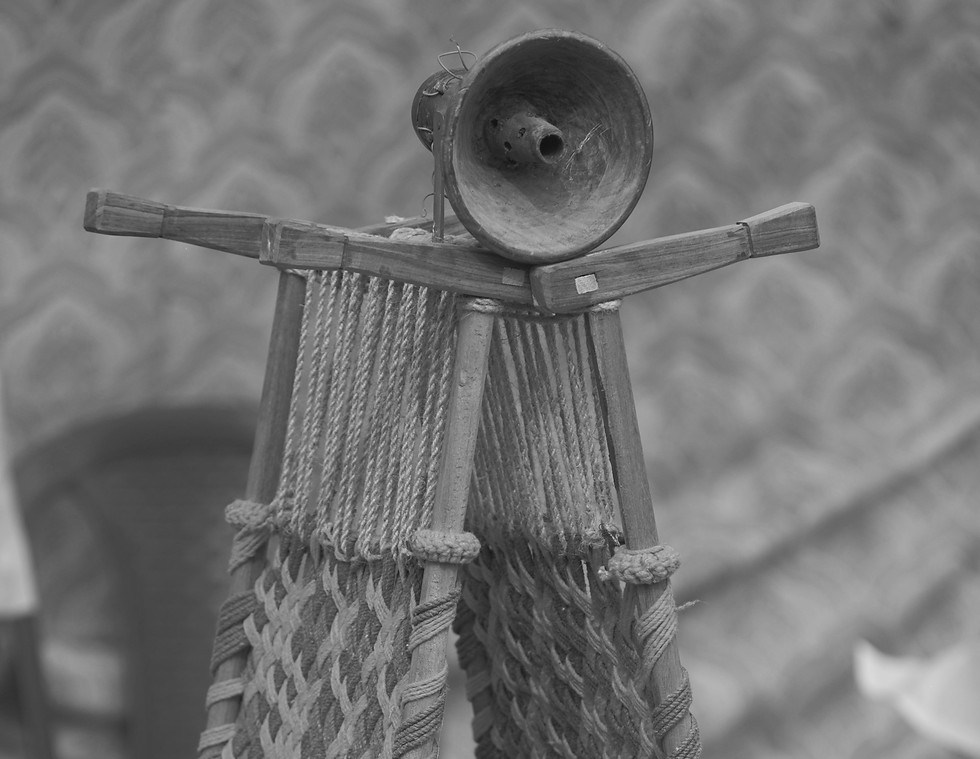
Sahe Chiti
The Sahe Chiti is a traditional ceremony where the wedding date and formal invitation are presented from one family to the other. It symbolizes the official announcement of the upcoming marriage and is a joyful occasion that confirms the next steps toward the wedding celebrations.

Sangeet & Jago
The Sangeet is a lively evening of music, dance, and celebration where both families gather to perform, sing, and enjoy time together before the wedding.
Jago is a spirited Punjabi tradition full of energy, where family and friends celebrate with singing, dancing, and decorated lights or pots, symbolizing joy and announcing the wedding festivities.
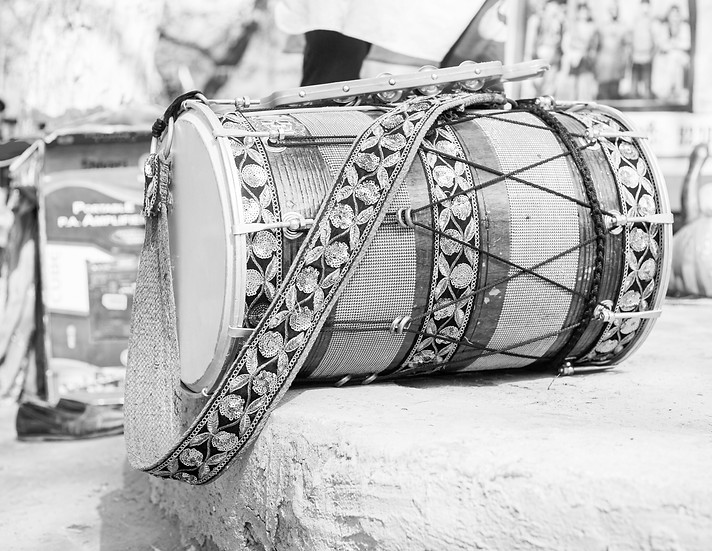
Maiyan
The Maiyan is a pre-wedding ceremony focused on blessings and preparation for marriage. Family members apply turmeric paste to the bride or groom, symbolizing cleansing, prosperity, and good fortune. It is an intimate celebration filled with laughter, songs, and the warmth of close family.

THE SIKH WEDDING

Anand Karaj is the traditional Sikh marriage ceremony, symbolizing the equal partnership between two individuals.
Anand Karaj
Anand Karaj is the traditional Sikh marriage ceremony, symbolizing the equal partnership between two individuals. The term translates to "blissful union." In Sikhism, marriage holds not only physical, social, and legal significance but also a deep spiritual connection. It represents the sacred union of two souls with the Guru at the center. As stated in the Guru Granth Sahib that they are not said to be husband and wife, who merely sit together. They alone are called husband and wife, who have one light in two bodies. Marriage serves as a path towards understanding Waheguru and attaining spiritual enlightenment.
According to Waheguru Net, "Marriage is a spiritual journey, not just a love affair between two people. A Sikh marriage is two people trying to help one another in their merger with God. The highest love is assisting another in the merger of the soul with the infinite (God), helping their beloved to find the true purpose of their life."
In Sikhism, marriage is viewed as a sacred union aimed at achieving both worldly fulfilment and spiritual enlightenment. It's seen as a merging of minds and souls, a path towards spirituality rather than an end in itself. The ultimate aim of marriage is seen as the union of both partners' souls with Waheguru.
During the Anand Karaj ceremony, the couple acknowledges Guru Granth Sahib as their spiritual guide and commits to continuing their journey towards the Divine. Circling around Guru Granth Sahib symbolizes its centrality in their lives, with the supportive community represented by the sadh sangat. Furthermore, the couple pledges to assist each other in delving deeper into spiritual realms, aiming for a more profound union with Waheguru, according to the Sikh Research Institute (2008).
Lavan
The Sikh marriage ceremony symbolizes a profound union, mirroring the merging of the human soul with the Supreme Being. This union transcends the physical realm and signifies the shedding of individual egos for a higher unity, where two individuals become one. The process of this union, both between husband and wife and between the soul and Waheguru, is illustrated in the "lava," or wedding hymns, sung during the Sikh wedding ceremony.
Also, Guru Ramdas Ji, the fourth Guru, originally composed the "Lavan," known as the wedding song, found in the Guru Granth Sahib on page 773. It was created to commemorate the union between the human soul (atma) and God (parmatma).
The Lavan offers Sikhs a guide for a happy marriage, portraying the sacred union of the soul with the Infinite. Applied to marriage, it leads to joy and satisfaction. During the ceremony, the couple circles the Guru, pledging to Waheguru with each round, while the Guru serves as the witness. This act symbolizes that Waheguru is the core of their lives, providing them with support and comprehension throughout their spiritual journey together.